Discover Australia and Oceania with Cheap Flights from El Salvador
Compare flight prices to South Pacific paradises and find the best deals for your adventure in Australia and Oceania














Exclusive Deals on Cheap Flights to Australia and Oceania from El Salvador
Find the best prices on plane tickets to Australia and Oceania. Compare international airline fares and secure affordable airfare to destinations like Sydney, Auckland, Fiji and more. Take advantage of special promotions on connecting flights to the South Pacific region.
Best Seasons to Travel to Australia and Oceania from Central America
Australia and Oceania offer unique experiences throughout the year thanks to their climatic diversity. Plan your trip according to the season to enjoy perfect weather, cultural festivals and outdoor activities at each South Pacific destination.
The austral summer (December to February) is ideal for exploring the coasts of Australia, New Zealand and the Pacific islands. Enjoy warm temperatures, crystal-clear waters perfect for diving and snorkeling, and summer festivals in cities like Sydney and Melbourne.
Autumn (March to May) brings pleasant temperatures and fewer tourists to Australia and New Zealand. It's the perfect season to explore cities, vineyards and enjoy gastronomic festivals without the intense summer heat.
During the austral winter (June to August), the mountains of Australia and New Zealand offer excellent skiing conditions, while the tropical Pacific islands maintain warm weather ideal for escaping the cold.
The austral spring (September to November) transforms Australia and New Zealand with wildflowers, pleasant weather and excellent opportunities to observe wildlife. It's the ideal season for hiking and exploring national parks.
Top Cities to Fly to Australia and Oceania from El Salvador
Discover the most fascinating cities in Australia and Oceania. From modern metropolises to tropical paradises, find cheap flights to unique destinations in the South Pacific. Compare airfare prices and book your next adventure with the best available deals.


Practical Guide for Traveling to Australia and Oceania
Plan your trip to Australia and Oceania with essential information about transportation, accommodation, safety, and local culture. This guide will help you prepare for an unforgettable experience in the South Pacific, optimizing your budget and time.
Australia and New Zealand have excellent public transportation networks in major cities. In Australia, trains connect the big cities, although distances are enormous. Renting a car is the best option for exploring remote areas and national parks. In New Zealand, a car is almost essential for touring both islands. Intercity buses like Greyhound in Australia and InterCity in New Zealand offer economical alternatives. Pacific islands rely mainly on taxis, local buses, and boats to move between islands. Domestic flights are common due to large distances. In cities like Sydney and Melbourne, rechargeable transport cards simplify the use of trains, trams, and buses. Many cities are cyclist-friendly. For smaller islands, walking or renting bicycles and scooters is sufficient. Plan ahead as transportation can be limited in rural and remote areas.
Australia and New Zealand offer accommodation options for all budgets. Hostels are abundant in cities and tourist areas, with prices from 25-40 dollars per night in shared dormitories. Mid-range hotels cost between 80-150 dollars, while luxury resorts exceed 300 dollars. Airbnb and vacation rentals are popular and offer good value for money, especially for groups. Campgrounds and caravan parks abound, perfect for those traveling by motorhome. In Pacific islands, all-inclusive resorts dominate, although there are also budget options like family guesthouses. Fiji and Samoa offer accommodation in traditional bungalows at reasonable prices. Book in advance during high season, especially in popular destinations like Queenstown or the Whitsundays. Many accommodations include kitchens, allowing you to save on meals. Rural areas offer farm stays that provide authentic experiences at moderate prices.
Australia, New Zealand, and most Pacific islands are very safe destinations with low crime rates. Violent crimes against tourists are rare. However, maintain basic precautions in large cities like Sydney and Auckland, especially at night. Don't leave valuables visible in parked cars. The most common scams include overcharges in taxis without meters and unauthorized tour sellers in tourist areas. Always verify that tour operators have valid licenses. In Australia, be careful with dangerous wildlife: jellyfish, crocodiles, snakes, and spiders. Respect warning signs on beaches and natural areas. The sun is extremely strong; use high-factor sunscreen even on cloudy days. In Pacific islands, avoid displaying excessive wealth and respect local customs. Tap water is drinkable in Australia and New Zealand, but check on smaller islands. Purchase travel insurance that covers adventure activities if you plan to do extreme sports.
Australians and New Zealanders are known for their relaxed and friendly attitude. Informal greetings are common; a simple hello or good morning is appropriate. Punctuality is valued in professional contexts but is more flexible socially. In New Zealand, Maori culture is an integral part of national identity. Learn some Maori words and show respect at cultural sites. The haka and other Maori traditions are sacred. In Pacific islands, the pace of life is much slower. Family and community are central. Dress modestly outside resorts, especially in rural and religious areas. Remove shoes before entering homes. Kava ceremonies in Fiji are important; participate respectfully if invited. Sundays are sacred days on many islands; avoid noisy activities. Tipping is not mandatory in Australia and New Zealand, although good service is appreciated. Respect the environment; don't touch corals or feed wild animals. Australians use a lot of local slang; don't be offended by direct language and sarcastic humor.
From El Salvador, reaching Australia and Oceania requires at least one stopover, usually in the United States or Canada. The most economical flights usually have two or more stopovers. Use TICKETS.SV to compare prices between airlines and find the best deals on cheap flights to Australia and Oceania. Book 3-6 months in advance to get better fares. Low season in Australia and New Zealand is from May to August, when prices drop considerably. Consider flying to secondary cities like Brisbane or Perth instead of Sydney to save money. Flights with long layovers in Los Angeles, San Francisco, or Houston are usually cheaper. Be flexible with dates; flying midweek is more economical than weekends. Subscribe to price alerts on TICKETS.SV to receive notifications of special offers. Packages that combine domestic flights can be more economical than buying them separately. For Pacific islands, look for flights via Australia or New Zealand. Consider buying round-trip tickets from one city and returning from another to optimize your itinerary.
Australian cuisine is multicultural, reflecting Asian, European, and Pacific influences. Try meat pie, fish and chips, and the famous Vegemite. Australian cafés are world-class; the flat white is a must. Food markets offer economical and varied options. In New Zealand, the Maori hangi is a traditional underground cooking method you must experience. New Zealand lamb is exceptional. Fresh seafood, especially green-lipped mussels and oysters, are unmissable. In Pacific islands, food is based on fresh fish, taro, yam, coconut, and tropical fruits. Fijian kokoda is delicious local ceviche. Tahitian poisson cru combines raw fish with coconut milk. Eating out can be expensive in Australia and New Zealand; supermarkets offer quality ingredients at reasonable prices for cooking. Food courts in shopping centers have economical options. On the islands, local markets sell fresh produce at excellent prices. Try exotic fruits like rambutan, starfruit, and passion fruit.
Australia is huge; focus on one or two regions on a 2-3 week trip. The East Coast (Sydney-Brisbane-Cairns) is the classic route, combining cities, beaches, and the Great Barrier Reef. The south offers Melbourne, the Great Ocean Road, and Tasmania. The center has Uluru and the Outback. New Zealand requires a minimum of 10 days to see both islands. The North Island has Auckland, Rotorua, and beaches; the South Island offers Queenstown, glaciers, and fjords. For Pacific islands, dedicate 5-7 days per destination to relax without rushing. Fiji is ideal for combining culture and beaches. Tahiti and Bora Bora are perfect for honeymoons. Samoa offers authenticity at lower prices. Plan activities according to season: diving from April to November on the Great Barrier Reef, skiing from June to October in New Zealand, whale watching from May to November. Book popular tours in advance, especially during high season. Leave free days for spontaneous discoveries. Distances are large; don't try to see everything. Consider domestic flights to save time on long journeys.
Pack light and breathable clothing for warm weather, but include layers for cool nights and strong air conditioning. A sweater or light jacket is essential even in summer. High-factor sunscreen is indispensable; the sun is very strong. Bring a wide-brimmed hat, sunglasses with UV protection, and insect repellent. Comfortable walking shoes are crucial; include sandals for the beach and closed shoes for hikes. If visiting New Zealand in winter or planning mountain activities, pack thermal clothing and waterproof jacket. For Pacific islands, beachwear, swimsuit, and casual clothing are sufficient. Include at least one more formal outfit for elegant restaurants. A small backpack is useful for daily excursions. Reusable water bottle will save you money. Type I plug adapter is necessary for Australia and New Zealand. Personal medications should come in original containers with prescriptions. Your own snorkeling equipment can save rental costs. Waterproof camera for water activities. Don't forget important documents: passport, visas, travel insurance, and booking confirmations.
Hidden Gems in Australia and Oceania: Discover Unexplored Paradises
Explore unique destinations beyond traditional tourist routes. These hidden gems in Australia and Oceania offer authentic experiences, stunning landscapes, and fascinating cultures without the crowds of better-known destinations.
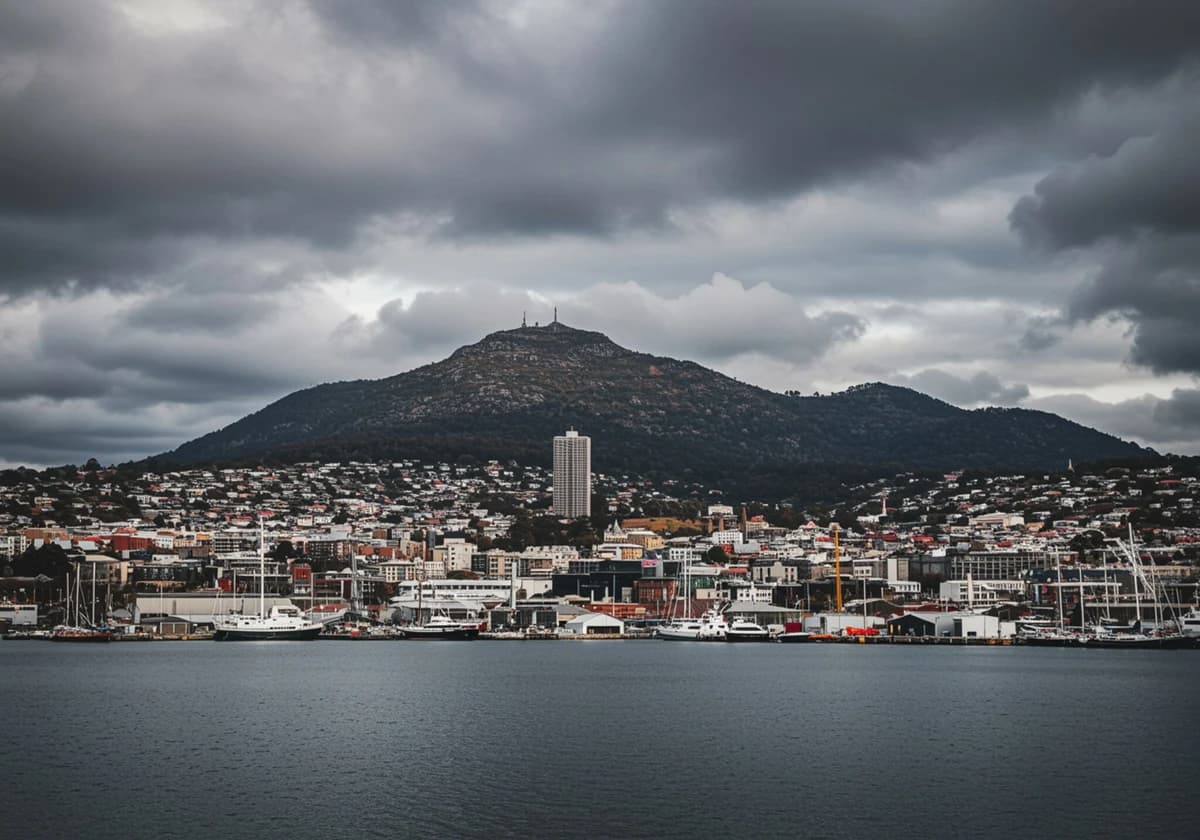
Capital of Tasmania with vibrant street art, historic Salamanca markets, views of Mount Wellington, and access to Tasmania's wild nature.
Search flights to Hobart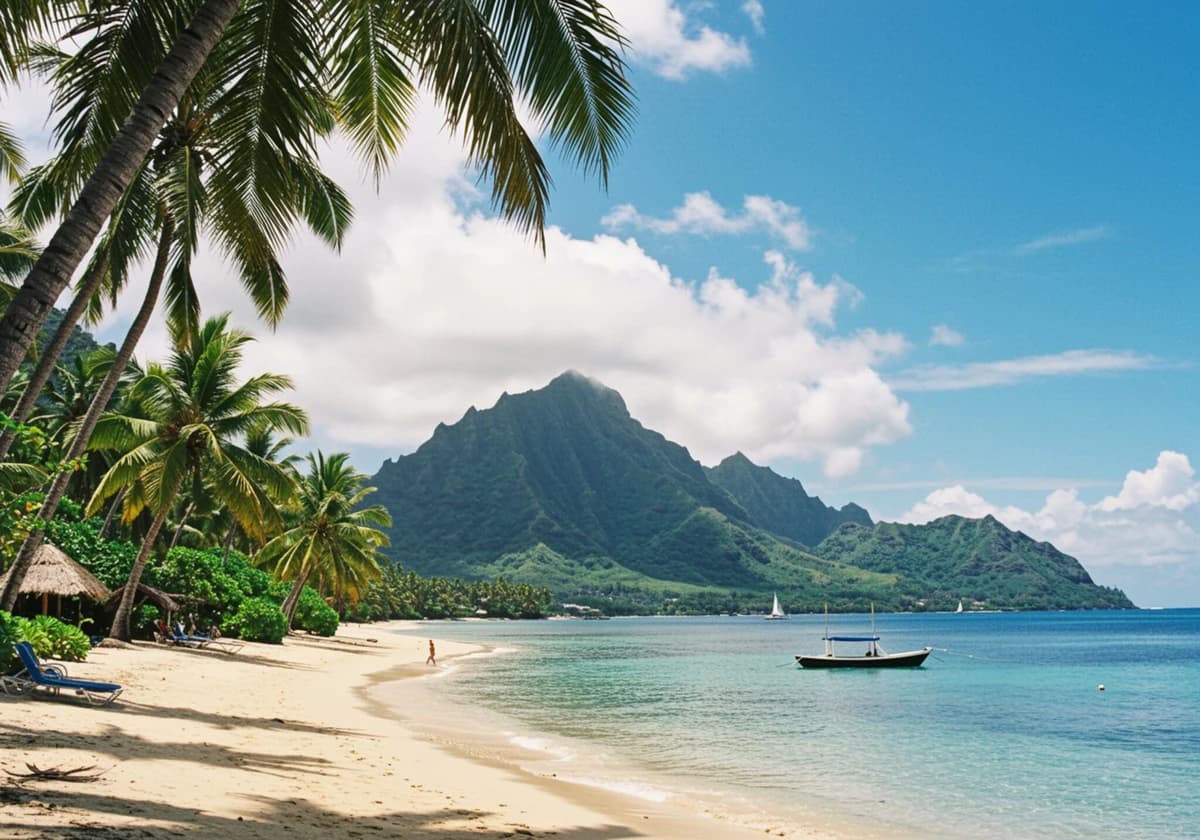
Gateway to the Fiji islands with white sandy beaches, crystal-clear waters, spectacular coral reefs, and traditional warm Fijian hospitality.
Search flights to Nadi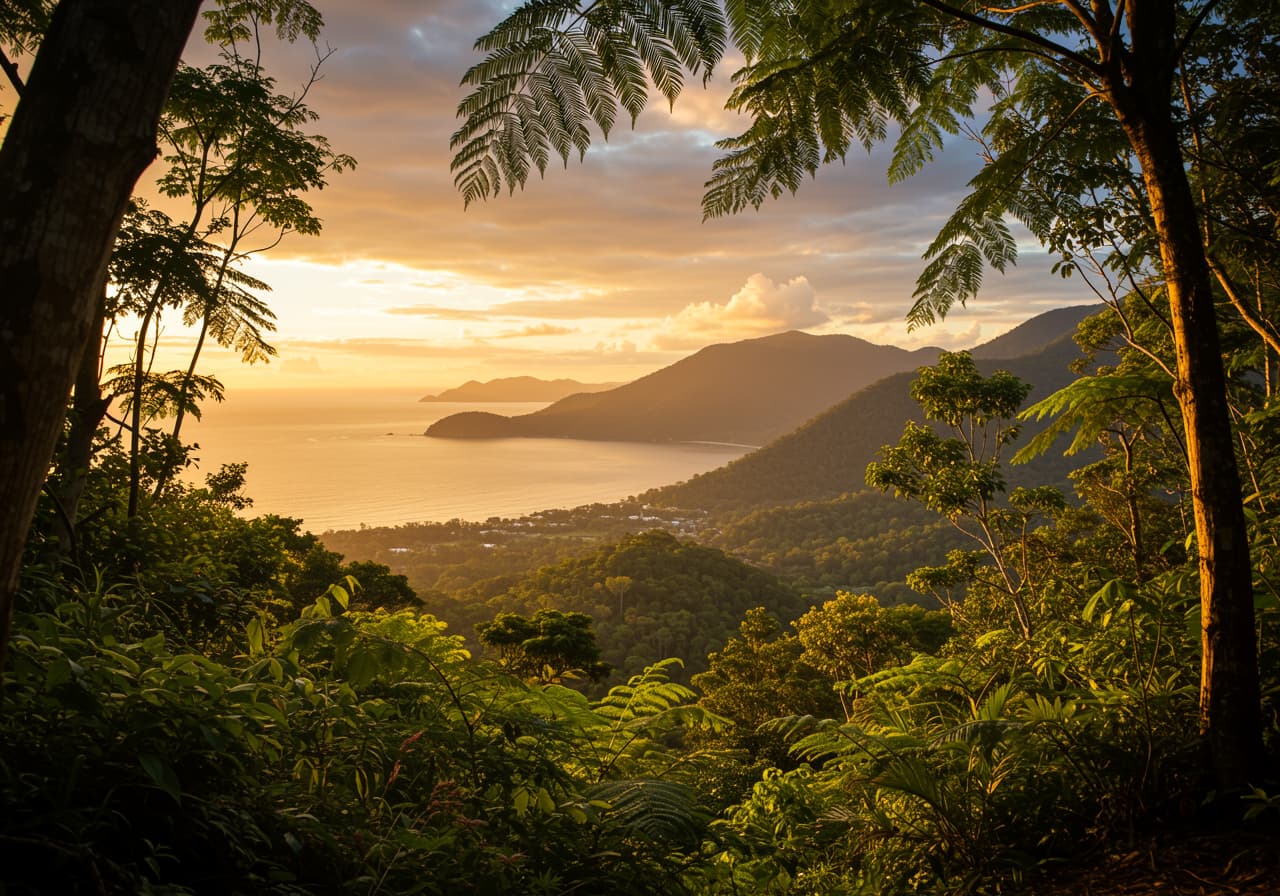
Perfect base for exploring the Great Barrier Reef and Daintree Rainforest, with diving, snorkeling, and ecotourism adventures in Queensland.
Search flights to Cairns
New Zealand's geothermal city with active geysers, bubbling mud pools, authentic Maori culture, and natural thermal parks unique in the world.
Search flights to Rotorua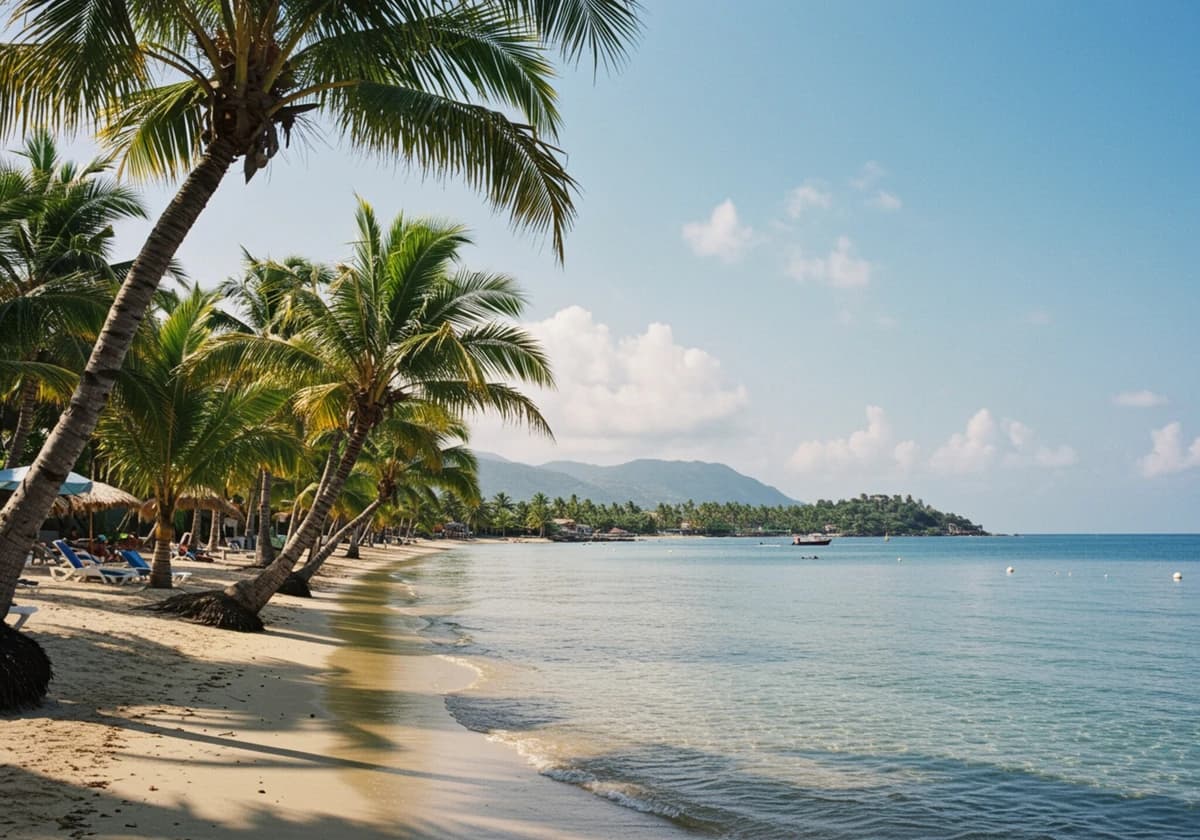
Capital of Vanuatu with pristine beaches, accessible active volcanoes, pristine coral reefs, and a fascinating blend of Melanesian and French cultures.
Search flights to Port Vila
Australian cultural city surrounded by world-class wine regions, tranquil beaches, art festivals, and well-preserved British colonial architecture.
Search flights to Adelaide
Capital of Samoa with spectacular waterfalls, natural pools, deserted beaches, living Polynesian culture, and the authentic relaxed atmosphere of the South Pacific.
Search flights to Apia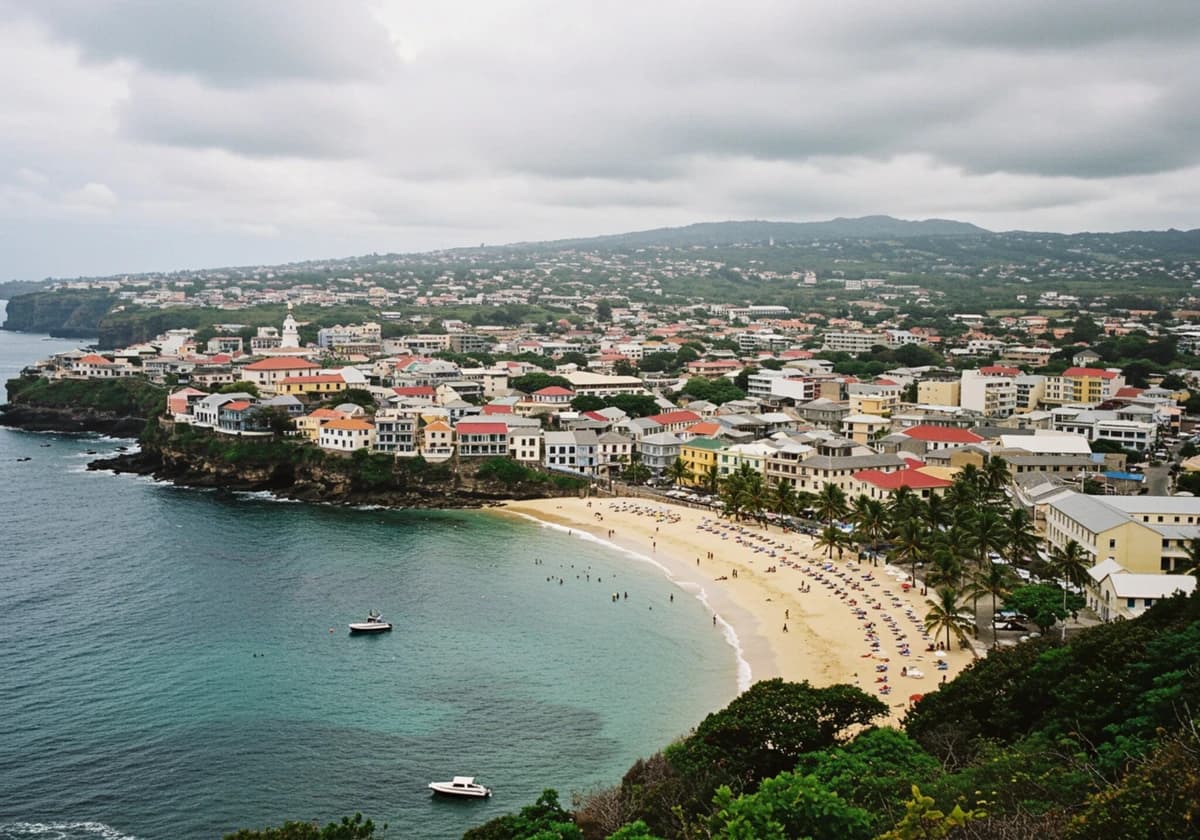
Unique blend of Polynesia and France in New Caledonia, with turquoise lagoons protected by UNESCO, French gastronomy, and paradise white sandy beaches.
Search flights to Noumea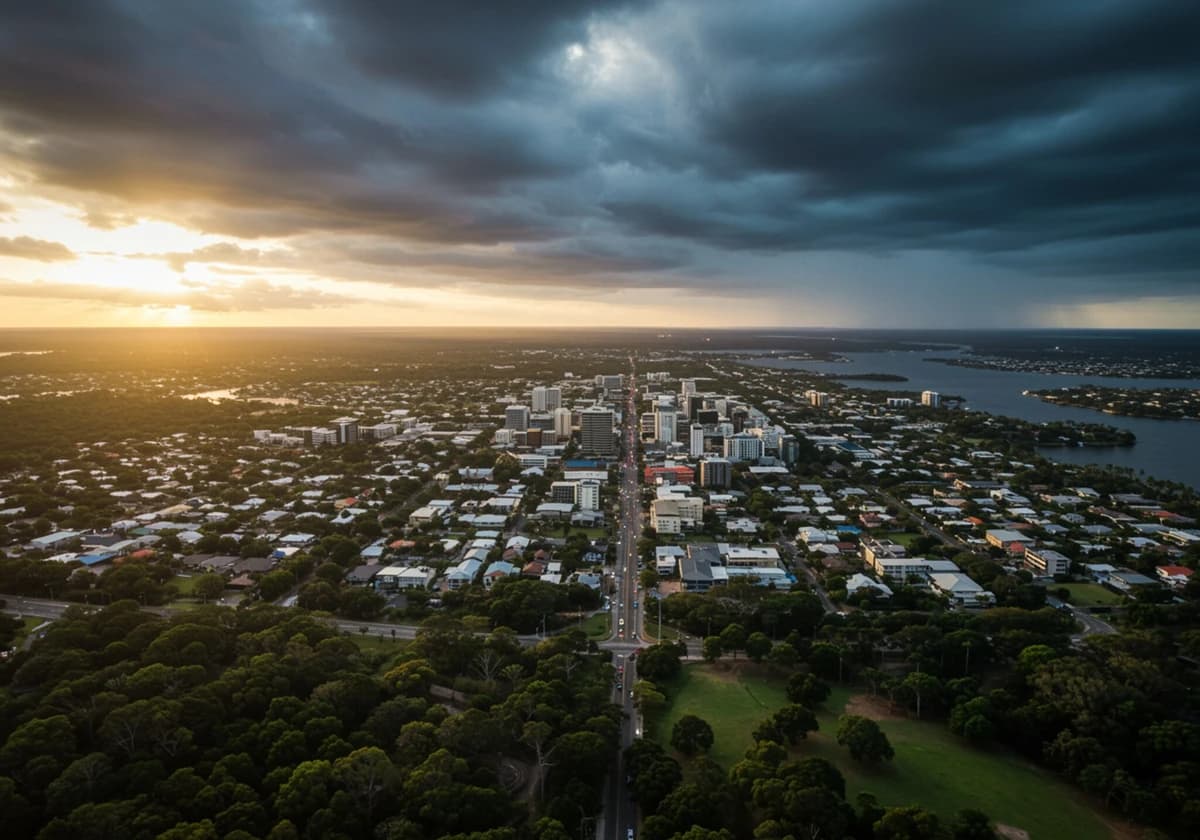
Gateway to Australia's Northern Territory with spectacular national parks, ancient Aboriginal culture, vibrant night markets, and unique wildlife.
Search flights to Darwin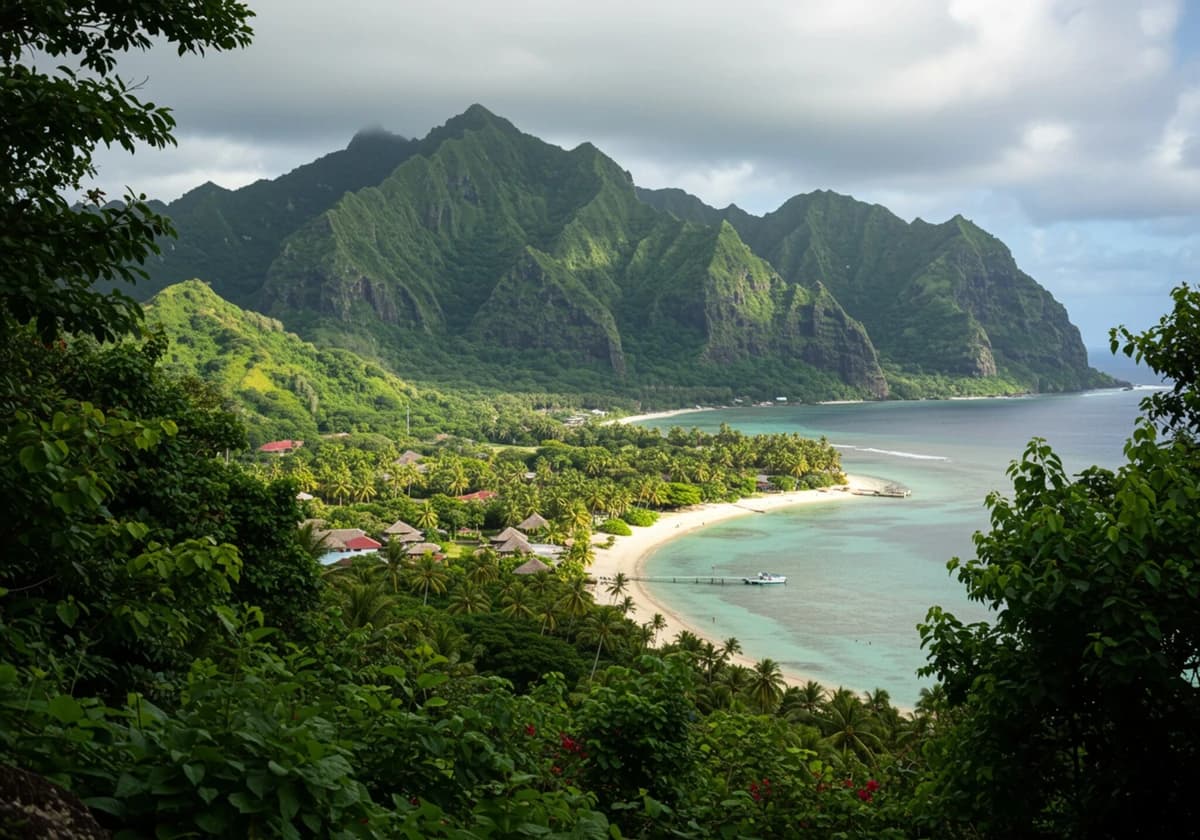
Main island of the Cook Islands with crystal-clear lagoons, green volcanic mountains, authentic Polynesian culture, and an incomparable island lifestyle.
Search flights to Rarotonga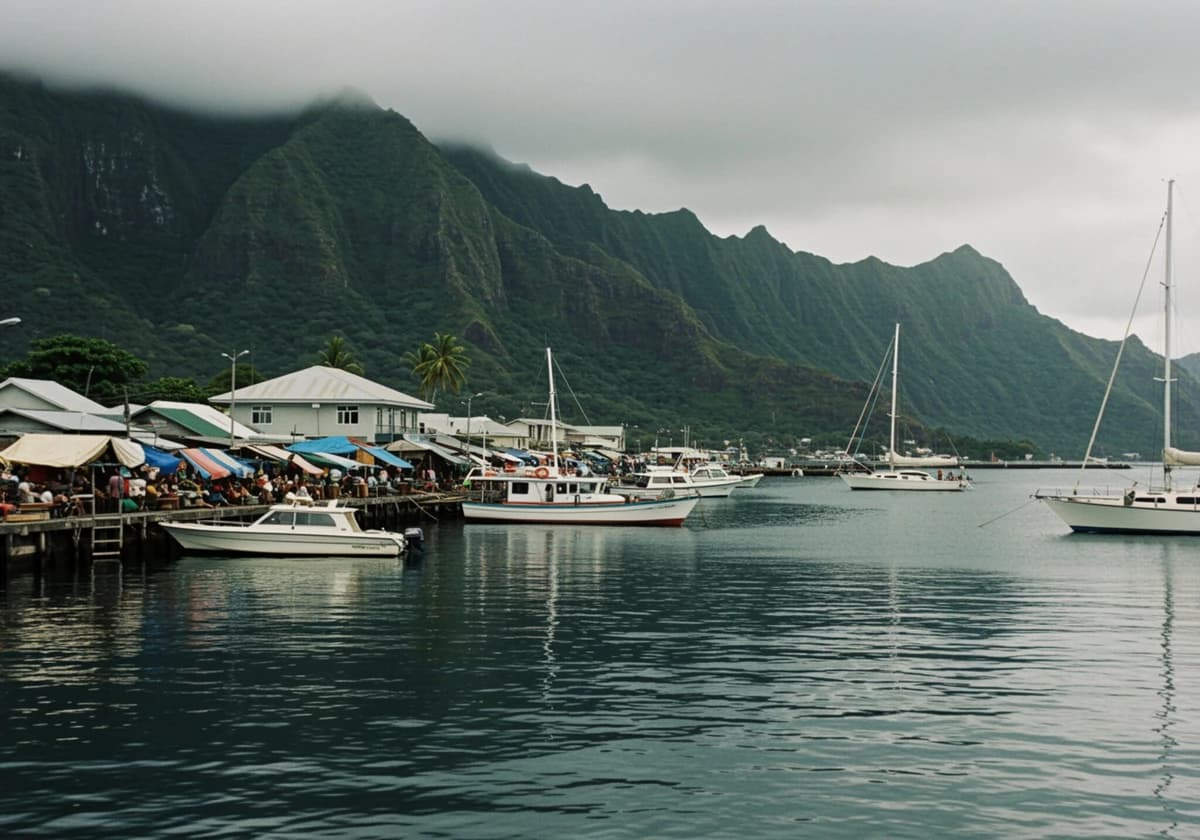
Capital of Tahiti and French Polynesia with colorful markets, vibrant Tahitian culture, access to nearby paradise islands, and impressive volcanic mountains.
Search flights to Papeete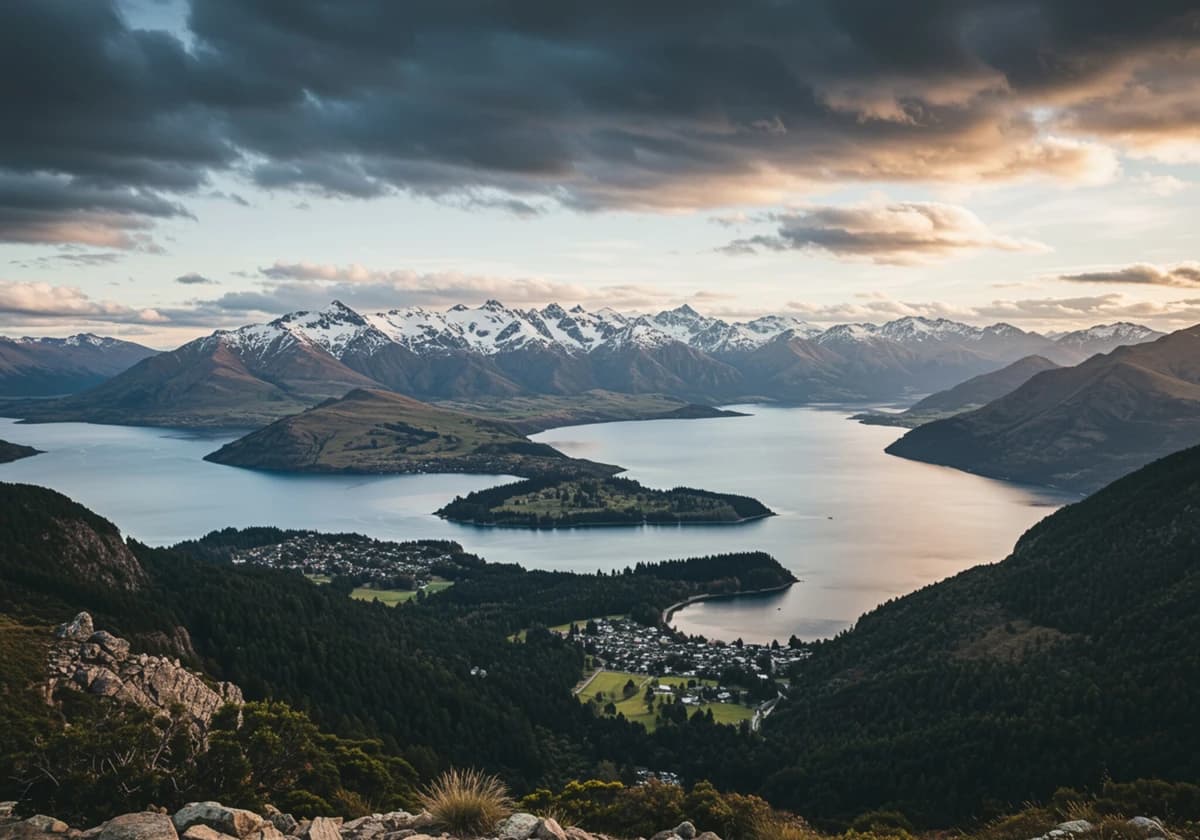
New Zealand's adventure capital surrounded by the Southern Alps, with extreme sports, award-winning vineyards, crystal-clear lakes, and movie-worthy landscapes.
Search flights to QueenstownAirlines Connecting El Salvador with Australia and Oceania
Find the best flight options from El Salvador to Australia and Oceania. Compare international airlines offering comfortable connections, quality services, and competitive fares for your journey to the South Pacific. Discover both global and regional airlines specialized in routes to this remote region.
International airlines offering connections from San Salvador to destinations in Australia and Oceania, with strategic stopovers at major hubs in the Americas and Asia.
Discover the diversity of travel experiences in Australia and Oceania
Australia and Oceania offer an incredible variety of destinations that suit all tastes. From paradisiacal beaches to cosmopolitan cities, nature adventures and unique cultural experiences, this South Pacific region has something special for every type of traveler.
The South Pacific islands are home to some of the world's most beautiful beaches, with crystal-clear waters perfect for diving and snorkeling. These destinations offer luxury resorts, authentic Polynesian culture and landscapes that look like they're straight out of a postcard.
The main cities of Australia and New Zealand combine modern architecture, vibrant culture, world-class gastronomy and exceptional quality of life. These metropolises offer museums, nightlife, shopping and international sporting events.
Australia and Oceania are home to some of the most extraordinary natural landscapes on the planet. From the Great Barrier Reef to New Zealand's fjords, these destinations offer incomparable outdoor adventures for nature lovers.
The Oceania region possesses rich and ancient indigenous cultures. From Australian Aboriginals to New Zealand Maoris and Polynesian traditions, these destinations offer deep and meaningful cultural encounters.
Australia and Oceania offer perfect destinations for families with children, combining fun, education and safety. From world-class zoos to theme parks and interactive nature experiences.
Budget-friendly destinations in Australia and Oceania for travelers on a tight budget
Although Australia and Oceania have a reputation for being expensive, there are destinations where your money goes further. These cities and countries offer affordable accommodation, cheap local food and free or low-cost activities to enjoy without spending a fortune.


Why choose TICKETS.SV for your flights to Australia and Oceania
TICKETS.SV connects you with the best cheap flight deals to Australia and Oceania from El Salvador. We compare prices from international airlines and flight providers to guarantee you affordable airfares to South Pacific destinations.
20 most popular routes from El Salvador to Australia and Oceania
Discover the most frequent air connections from El Salvador to the main destinations in Australia and Oceania. This table helps you plan your trip with information about flight duration, stopovers, visa requirements and the best season to visit each destination.
| Route | General | Distance | Duration | Time Zone | Airlines | Layover | Best Time | Visa |
|---|---|---|---|---|---|---|---|---|
| San Salvador → Sydney | 💸 AUD English | 13,800 km | 22-26 hours | +17 hours | United Airlines, American Airlines, Qantas | 2-3 stops | September-November | eVisitor required |
| San Salvador → Melbourne | 💸 AUD English | 14,100 km | 23-27 hours | +17 hours | United Airlines, Delta Air Lines, Qantas | 2-3 stops | March-May | eVisitor required |
| San Salvador → Auckland | 💸 NZD English, Maori | 11,500 km | 20-24 hours | +18 hours | Air New Zealand, United Airlines, American Airlines | 2-3 stops | December-February | NZeTA required |
| San Salvador → Brisbane | 💸 AUD English | 13,200 km | 22-26 hours | +16 hours | United Airlines, Qantas, Virgin Australia | 2-3 stops | April-October | eVisitor required |
| San Salvador → Wellington | 💸 NZD English, Maori | 12,000 km | 21-25 hours | +18 hours | Air New Zealand, United Airlines | 2-3 stops | November-March | NZeTA required |
| San Salvador → Perth | 💸 AUD English | 16,500 km | 26-30 hours | +14 hours | Qantas, Singapore Airlines, United Airlines | 2-3 stops | September-November | eVisitor required |
| San Salvador → Christchurch | 💸 NZD English, Maori | 12,300 km | 22-26 hours | +18 hours | Air New Zealand, United Airlines | 2-3 stops | December-February | NZeTA required |
| San Salvador → Nadi | 💸 FJD English, Fijian, Hindi | 10,200 km | 18-22 hours | +18 hours | Fiji Airways, United Airlines, Air New Zealand | 2-3 stops | May-October | Not required, 120 days |
| San Salvador → Papeete | 💸 XPF French, Tahitian | 8,900 km | 15-19 hours | +16 hours | Air Tahiti Nui, United Airlines, Air France | 1-2 stops | May-October | Not required, 90 days |
| San Salvador → Adelaide | 💸 AUD English | 14,500 km | 24-28 hours | +16.5 hours | Qantas, United Airlines, Singapore Airlines | 2-3 stops | February-April | eVisitor required |
| San Salvador → Queenstown | 💸 NZD English, Maori | 12,600 km | 23-27 hours | +18 hours | Air New Zealand, United Airlines | 2-3 stops | June-August | NZeTA required |
| San Salvador → Port Vila | 💸 VUV Bislama, English, French | 11,800 km | 22-26 hours | +17 hours | Air Vanuatu, Qantas, Air New Zealand | 2-3 stops | April-October | Not required, 30 days |
| San Salvador → Cairns | 💸 AUD English | 12,800 km | 23-27 hours | +16 hours | Qantas, United Airlines, Virgin Australia | 2-3 stops | April-September | eVisitor required |
| San Salvador → Hobart | 💸 AUD English | 14,800 km | 25-29 hours | +17 hours | Qantas, United Airlines | 2-3 stops | December-February | eVisitor required |
| San Salvador → Nouméa | 💸 XPF French | 11,600 km | 21-25 hours | +17 hours | Aircalin, Qantas, Air New Zealand | 2-3 stops | April-November | Not required, 90 days |
| San Salvador → Rarotonga | 💸 NZD English, Cook Islands Maori | 9,400 km | 17-21 hours | +16 hours | Air New Zealand, Virgin Australia | 2-3 stops | April-November | Not required, 31 days |
| San Salvador → Darwin | 💸 AUD English | 14,200 km | 24-28 hours | +15.5 hours | Qantas, United Airlines | 2-3 stops | May-September | eVisitor required |
| San Salvador → Apia | 💸 WST Samoan, English | 10,600 km | 19-23 hours | +19 hours | Samoa Airways, Fiji Airways, Air New Zealand | 2-3 stops | May-October | Not required, 60 days |
| San Salvador → Canberra | 💸 AUD English | 14,000 km | 23-27 hours | +17 hours | Qantas, United Airlines | 2-3 stops | September-November | eVisitor required |
| San Salvador → Rotorua | 💸 NZD English, Maori | 11,700 km | 21-25 hours | +18 hours | Air New Zealand, United Airlines | 2-3 stops | December-March | NZeTA required |
Frequently Asked Questions About Cheap Flights to Australia and Oceania from El Salvador
Cheap flight prices to Australia and Oceania from El Salvador vary depending on season and destination. A ticket to Sydney can cost between $1,200 and $2,500 USD, while flights to Auckland range from $1,000 to $1,800 USD. Pacific islands like Fiji typically have fares starting from $900 USD. The best prices are found by booking 3-4 months in advance and traveling during low season (March-May, September-November). TICKETS.SV compares prices from multiple airlines to find the most economical deals available.
There are no direct flights from El Salvador to Australia and Oceania. The main airlines operating this route with connections include United Airlines, American Airlines, Delta, and Copa Airlines connecting through hubs like Houston, Los Angeles, Mexico City, or Panama. To reach Australia, common connections are with Qantas, Air New Zealand, or LATAM. Flights to Pacific islands frequently require two or three stops. Total travel time varies between 20 and 30 hours depending on connections. TICKETS.SV helps you compare all available options.
The low season in Australia and Oceania (March-May and September-November) offers the best prices on airline tickets. Avoid traveling during Australian summer (December-February) when prices double. For Pacific islands, the rainy season (November-April) has more economical fares but less predictable weather. Tuesdays and Wednesdays usually have cheaper tickets than weekends. Booking 3-4 months in advance guarantees better deals. Special promotions frequently appear in January and August.
Salvadorans need a visa for most destinations in Australia and Oceania. Australia requires a visitor visa (subclass 600) that is processed online and costs approximately $145 AUD. New Zealand requires an NZeTA (electronic authorization) for $17 NZD. Fiji allows entry without a visa for up to 120 days. Tahiti and New Caledonia require a French visa. Cook Islands allow 31 days without a visa. Samoa offers 60 visa-free days. Process your visa 4-6 weeks in advance to avoid setbacks.
Flights from El Salvador to Australia require a minimum of two layovers, generally three. The most common route includes connections in the United States (Los Angeles, Houston, or Dallas) and then at a Pacific hub like Honolulu or Auckland. Total travel time ranges between 24 and 32 hours depending on waiting times between flights. Some routes connect via Mexico City or Panama before continuing to the Pacific. Flights with more layovers are usually more economical but significantly increase travel time.
To travel to Australia and Oceania from El Salvador you need a valid passport with at least 6 months validity, visa or electronic authorization depending on destination, return or exit ticket from the country, proof of sufficient funds (bank statements), hotel reservation or invitation letter, and international travel insurance. Australia may request yellow fever vaccination certificate if coming from endemic areas. Some countries require customs declaration forms. Carry digital copies of all your important documents.
New Zealand is ideal for beginners due to its developed tourism infrastructure, simpler visa requirements, and relatively more economical flights from El Salvador. Auckland serves as a perfect entry point with connections throughout the region. Fiji is excellent for those seeking paradise beaches with moderate budget and no visa requirement. Australia offers greater diversity but requires more time and budget. For adventurers, Cook Islands combine natural beauty with facilities for Spanish speakers. Consider your interests, budget, and available time when choosing.
Book your cheap flights to Australia and Oceania 3-4 months in advance to get the best prices. Airlines release their most economical fares approximately 11 months before, but optimal prices appear 90-120 days prior to travel. For high season (December-February), book 5-6 months in advance. Flash promotions may occasionally appear 4-6 weeks ahead. Set up price alerts on TICKETS.SV to receive notifications when fares drop to your desired destination.
Baggage policies vary by airline and service class. Generally, economy class includes one checked bag of 23 kg and carry-on baggage of 7-10 kg. Long international flights usually allow two checked bags. Low-cost airlines may charge extra for checked baggage. Verify specific policies of each airline in your itinerary, especially on flights with multiple connections where rules may change. Excess baggage is expensive on transpacific routes. Pack strategically considering the long duration of the trip.
There are no direct flights from El Salvador to any destination in Australia and Oceania. All flights require at least two layovers, typically in the United States and a Pacific hub. The most common routes connect via Los Angeles, Houston, or Dallas, then continue through Honolulu, Auckland, or Fiji before reaching Australian destinations. Total travel lasts between 24 and 35 hours depending on connection times. Although there are no direct options, TICKETS.SV helps you find the most efficient routes with the best prices.
Australia uses the Australian dollar (AUD), New Zealand the New Zealand dollar (NZD), and Pacific islands have varied currencies like the Fijian dollar (FJD) or Pacific franc (XPF). Bring US dollars which are easily exchanged throughout the region. International credit cards are widely accepted in major cities. Notify your bank about your trip to avoid blocks. Exchange money at official exchange houses, not at airports where rates are unfavorable. Carry cash for rural areas and small islands.
The time difference between El Salvador and Australia varies from 14 to 18 hours ahead depending on the Australian city and daylight saving time. Sydney and Melbourne are typically 16-17 hours ahead. Perth has a 14-hour difference. New Zealand is 18 hours ahead of El Salvador. Pacific islands vary between 12 and 17 hours. This significant time difference causes severe jet lag. Gradually adjust your sleep schedule days before the trip. Stay hydrated during the flight and expose yourself to natural light upon arrival.
Australia and Oceania are very safe regions for Salvadoran travelers. Australia and New Zealand have low crime rates and excellent tourism infrastructure. Pacific islands are generally safe but require basic precautions. Avoid displaying valuables ostentatiously. Respect local customs and sacred areas. Purchase travel insurance covering medical emergencies, as medical care is expensive. Check tropical cyclone warnings during November-April. Register your trip with the nearest Salvadoran embassy. Keep copies of important documents.
No mandatory vaccines are required to travel to Australia and Oceania from El Salvador, except yellow fever if coming from endemic areas. Routine vaccines are recommended: hepatitis A and B, tetanus, and typhoid fever. For remote Pacific islands, consider dengue vaccination if available. Australia has strict biosecurity regulations; declare all food, plants, and animal products. Bring mosquito repellent for tropical islands. Purchase international medical insurance as health services are expensive. Consult a travel doctor 4-6 weeks before departure.
For Australia, plan a minimum of 10-14 days to visit major cities like Sydney, Melbourne, and the Great Barrier Reef. New Zealand requires 7-10 days to tour both islands. Pacific islands like Fiji or Tahiti are ideal for 5-7 days of beach and relaxation. A combined Australia-New Zealand trip needs 3 weeks. Consider that the flight from El Salvador takes 24-30 hours, so short trips are not practical. To maximize the investment in airfare, plan stays of at least two weeks in the region.
English is the primary language in Australia, New Zealand, and many Pacific islands. In Fiji, Fijian, Hindi, and English are spoken. Tahiti and New Caledonia use French and Tahitian. Samoa has Samoan and English. Cook Islands use Maori and English. Papua New Guinea has over 800 local languages besides English. Spanish is not common, so learning basic English phrases is essential. Download translation apps before traveling. Locals appreciate when you try to speak their language.
Your phone will work in Australia and Oceania if it is unlocked and compatible with GSM networks. Buy a local SIM card upon arrival for economical data and calls. In Australia, operators like Telstra, Optus, and Vodafone offer prepaid plans from $20-30 AUD. New Zealand has Spark, Vodafone, and 2degrees with similar options. International roaming from El Salvador is extremely expensive. Free WiFi is available in hotels, cafes, and airports. Download offline maps before traveling. Consider messaging apps like WhatsApp for communication.
Transportation between islands in Oceania depends on regional flights, ferries, and cruises. Air Pacific (Fiji Airways), Air New Zealand, and Virgin Australia connect the main islands. Inter-island flights can be expensive but are the fastest option. Ferries operate between nearby islands like in Fiji or Cook Islands. South Pacific cruises visit multiple destinations but require more time. Book domestic flights in advance for better prices. Some remote islands have limited services, only 2-3 weekly flights. Plan your itinerary considering available connections.
Pack light and breathable clothing for tropical climates, high-factor sunscreen, mosquito repellent, wide-brimmed hat, sunglasses, swimsuit, comfortable walking shoes, and beach sandals. Include a light jacket for air conditioning on flights and in buildings. Bring a type I plug adapter (Australia/New Zealand) and type C/E for French islands. Personal medications with prescriptions, basic first aid kit, documents in digital and physical copies. For outdoor activities, pack quick-dry clothing and appropriate footwear for hiking.
Daily budget varies significantly by destination. In Australia and New Zealand, calculate $80-150 USD daily for budget accommodation, meals, and basic transportation. Pacific islands like Fiji require $50-100 USD daily. Premium destinations like Bora Bora need $200+ USD daily. Accommodation represents the biggest expense; consider hostels or Airbnb to save. Cooking some meals reduces costs. Activities like snorkeling, diving, or tours can add $50-150 USD per experience. Bring 10-15% extra for emergencies. Credit cards are widely accepted in major cities.
What Our Travelers Say
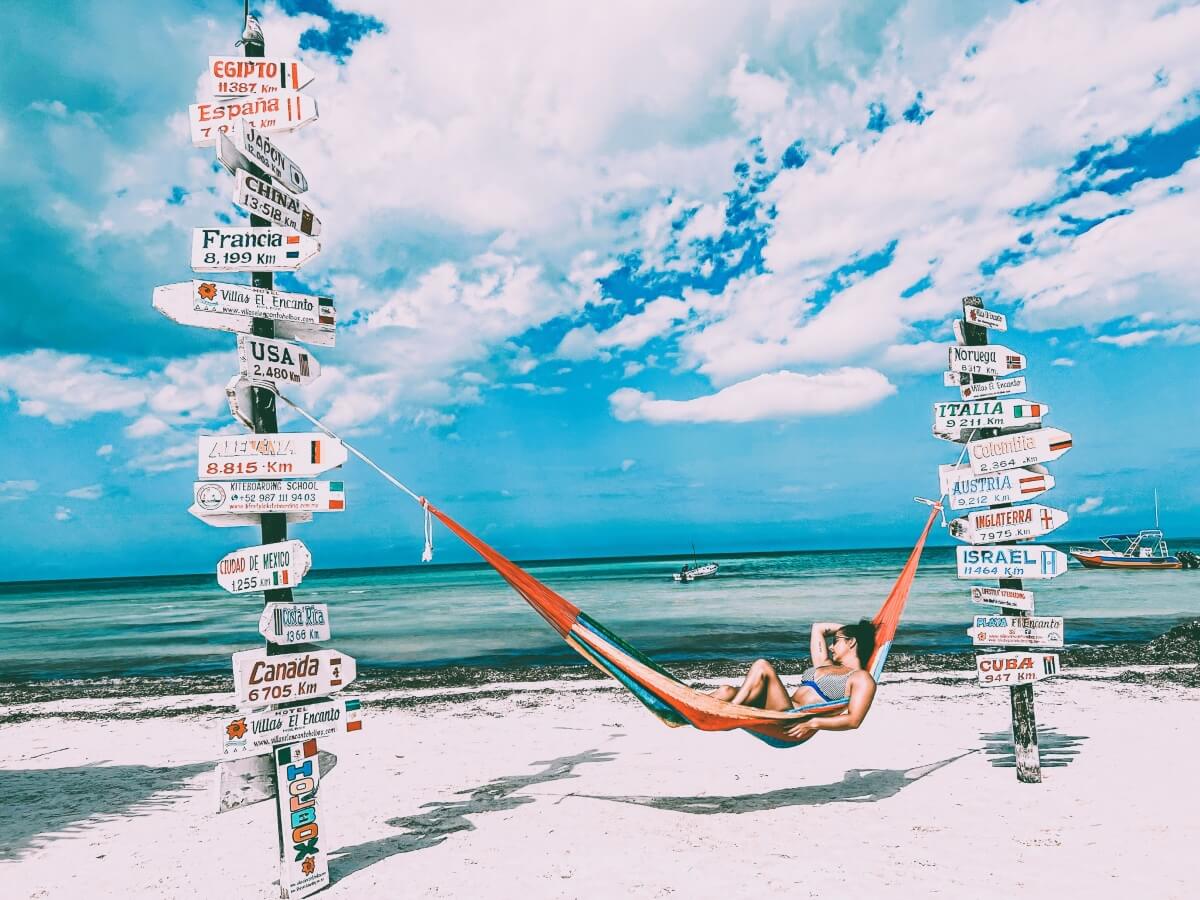
Discover the Magic of Australia and Oceania: A Paradise in the South Pacific
Traveling to Australia and Oceania from El Salvador requires planning, but the rewards are immense. Most flights include one or two layovers, typically in cities like Los Angeles, Houston, or Mexico City, before continuing to main destinations like Sydney, Melbourne, or Auckland. Although the journey is long, the experience is worth every minute. TICKETS.SV helps you find the best deals on cheap flights to Australia and Oceania, comparing prices from multiple airlines to ensure you get the best value. The region offers options for all budgets: from luxurious resorts on private islands to budget-friendly hostels for backpackers. The climate varies by location, but is generally favorable year-round in the tropical Pacific islands, while Australia and New Zealand have seasons opposite to those of El Salvador.
The cultural diversity of Australia and Oceania is as impressive as its landscapes. You can experience Polynesian hospitality in Samoa, participate in traditional Maori ceremonies in New Zealand, or explore Australian Aboriginal art dating back thousands of years. Regional cuisine combines Asian, European, and Pacific influences, creating a vibrant and unique culinary scene. From fresh seafood at Sydney's fish markets to traditional New Zealand hangi cooked underground, each destination offers memorable flavors. For adventure lovers, the region is a paradise: you can skydive over the Great Barrier Reef, explore limestone caves in New Zealand, surf the legendary waves of Tahiti, or snorkel with manta rays in the crystal-clear waters of the Cook Islands.
Our iOS app TICKETS explores thousands of flight deals from hundreds of airlines and providers, delivering the best global travel offers right to your fingertips.